
BLOG
In this section you will find the latest in dental treatments and technology, as well as advice for women’s aesthetics and dental health.
- Why is dental cleaning every 6 months important?
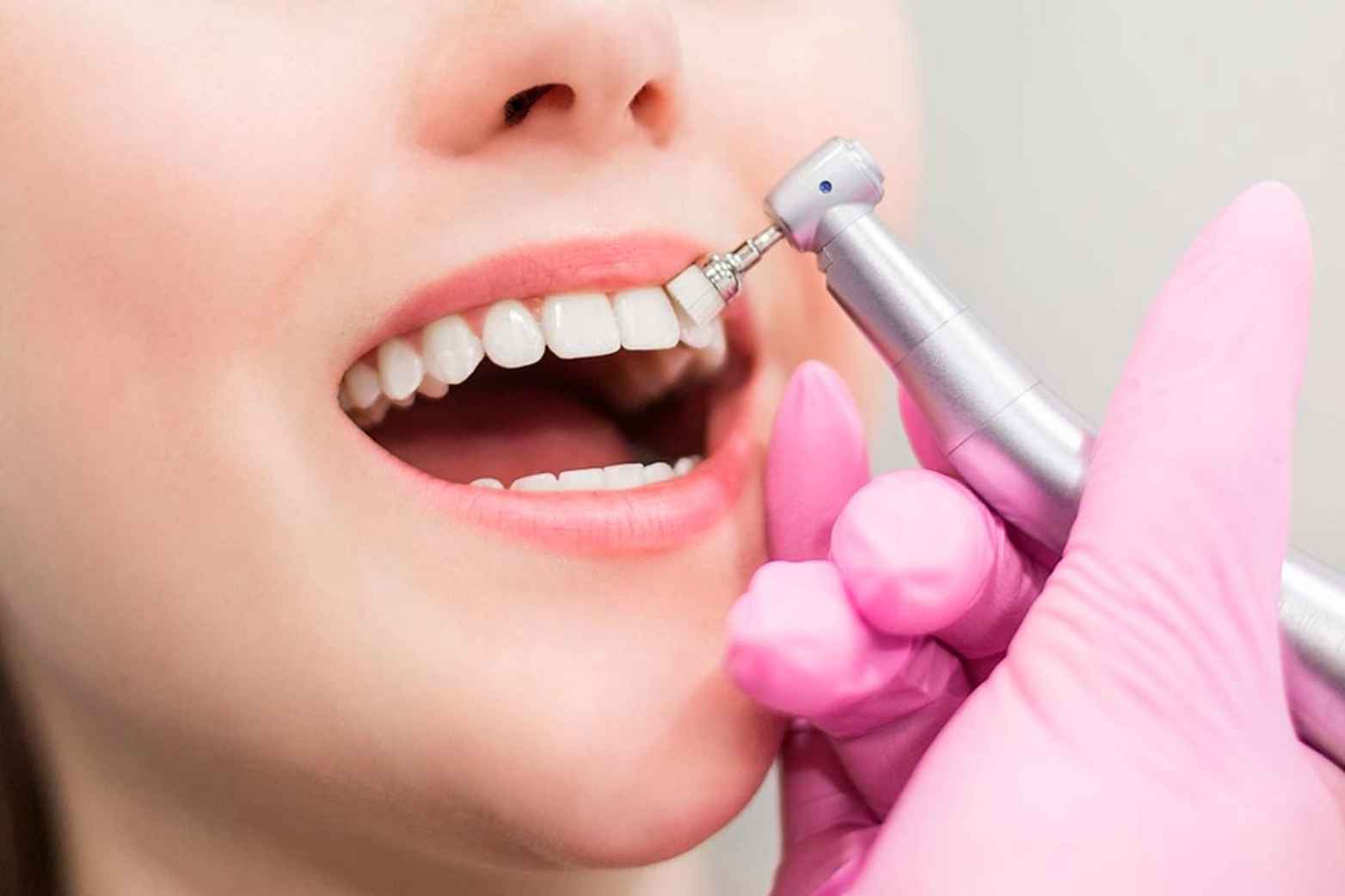
We have often heard from friends or patients the expressions, «Why do you go to the dentist so many times to clean your teeth?», or «I only go once a year and that’s more than enough»; or even worse, «I have never gone to the dentist for a dental cleaning because I feel that I don’t need it.»We can have a disease without experiencing any symptoms, so it’s necessary to examine teeth and gums clinically and radiographically to rule out cavities, fractures, gingivitis, periodontitis, and other conditions. It’s scientifically proven that we should have a deep dental cleaning every six months. This allows us, as healthcare professionals, to remove tartar, dental calculus, food stains, and other debris. When teeth are completely clean, we can examine them in detail and detect any potentially more complex and painful issues.
In some cases, the time between dental cleanings can be less than 6 months. For example, some patients may only need a dental cleaning every 3 or 4 months, and this can be due to systemic, physical, or psychological conditions that cause the patient to produce more tartar than normal or require more meticulous care from us as clinicians.
- Oral health is a fundamental
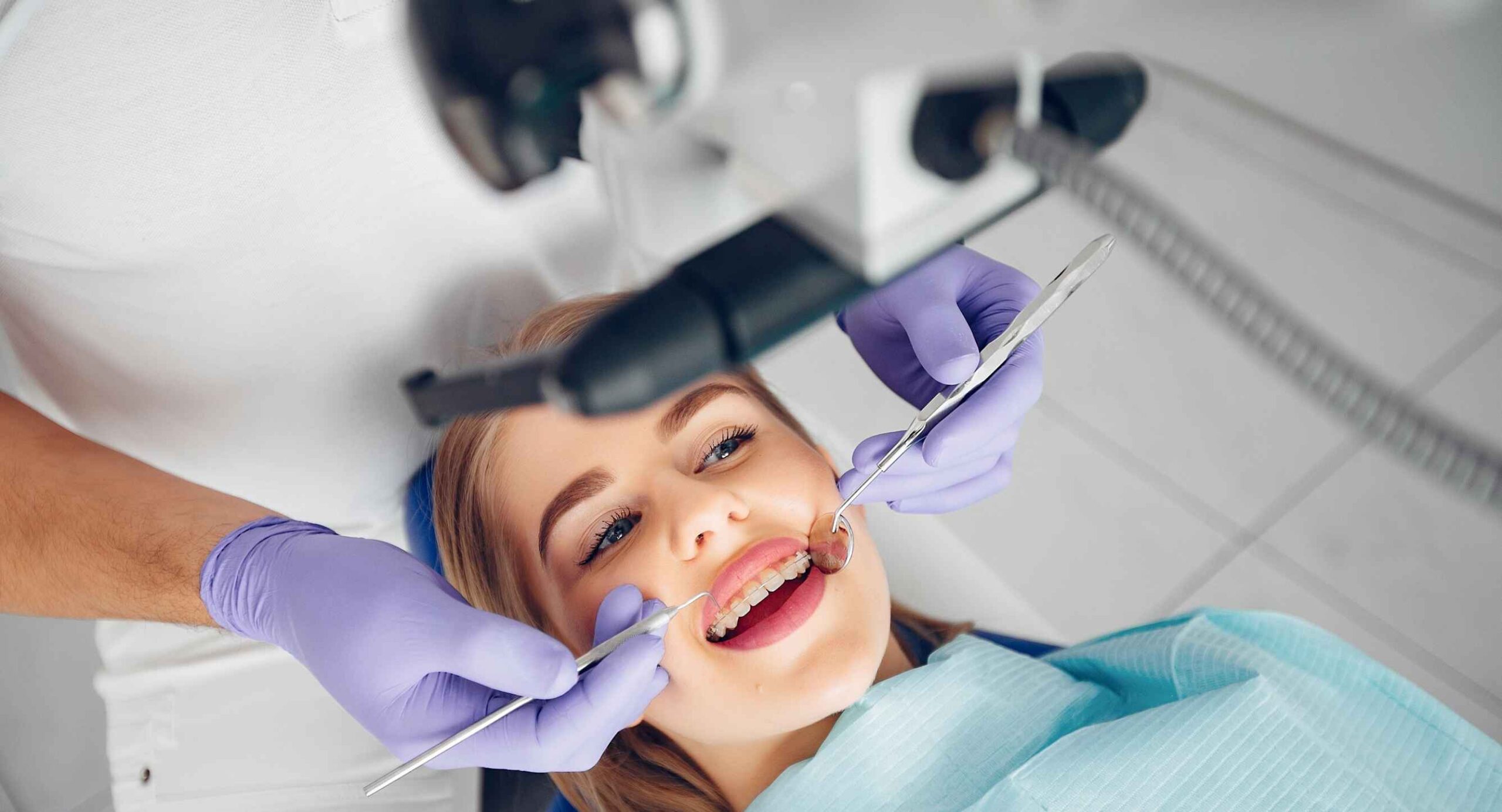
Oral health is a fundamental part of overall well-being, although we often only pay attention to it when pain appears. Visiting the dentist regularly not only helps maintain an aesthetic smile, but also prevents diseases that can affect the entire body. Dental care goes far beyond brushing your teeth: it involves prevention, early diagnosis, and proper daily habits.One of the most common mistakes is thinking that going to the dentist is only necessary when there is discomfort. In reality, regular check-ups allow problems to be detected before they become serious: small cavities, gum inflammation, enamel wear, or hidden infections. Early treatment is usually simpler, less costly, and less invasive.
Professional cleaning is another key point. Although daily brushing and the use of dental floss are essential, there is always residue and plaque left in hard-to-reach areas. Over time, this plaque hardens and turns into tartar, which cannot be removed at home. Professional cleanings help prevent gum disease and persistent bad breath.
It is also important to understand the relationship between oral health and general health. Gum problems have been associated with cardiovascular diseases, uncontrolled diabetes, and systemic infections. The mouth is a gateway to the body, and keeping it healthy reduces greater risks.
Modern dentistry not only focuses on treatment but also on prevention and improving quality of life. There are aesthetic treatments such as whitening, aligners, and restorations that help restore both the function and natural appearance of teeth. Today, many procedures are quick and virtually painless thanks to new technologies.
To maintain good dental health, simple but consistent habits are recommended: brushing at least twice a day, using floss or interdental brushes, limiting frequent sugar intake, drinking enough water, and visiting the dentist every six months. Consistency matters more than intensity.
Taking care of your smile is not just an aesthetic matter; it is an investment in health, confidence, and long-term well-being. A healthy mouth allows you to eat better, speak with confidence, and smile without worries.